


Understanding the Indispensable Cattle Panel in Modern Livestock Management
In the vast landscape of modern agriculture, efficient and humane livestock management stands as a cornerstone of profitability and sustainability. At the heart of this operational success lies a seemingly simple yet profoundly critical piece of equipment: the cattle panel. Far from a mere barrier, a high-quality cattle panel represents a strategic investment in farm infrastructure, directly influencing herd health, worker safety, and overall operational efficiency. Its utility extends beyond basic confinement, serving as a versatile tool for sorting, handling, and protecting livestock across various agricultural settings. The economic ramifications of inadequate fencing are staggering; industry reports indicate that livestock loss due to poor containment or escape can account for up to 10-15% of annual revenue for some operations, translating into billions of dollars lost globally. Furthermore, inefficient handling systems, often underpinned by suboptimal paneling, can increase labor costs by as much as 20% and contribute to animal stress, which directly impacts meat and dairy quality. For instance, a recent study highlighted that farms upgrading to robust, well-designed cattle panels experienced an average 25% reduction in animal escape incidents and a 30% improvement in herd management task completion times. This data underscores that the choice of a cattle panel is not just about erecting a fence; it's about safeguarding assets, optimizing labor, and ensuring animal welfare, thereby making a tangible impact on the bottom line. The initial investment in superior panels quickly pays dividends through reduced operational overheads, enhanced safety protocols, and a more streamlined agricultural workflow. Understanding these profound impacts sets the stage for appreciating the technical sophistication and strategic importance of selecting the right cattle panel.
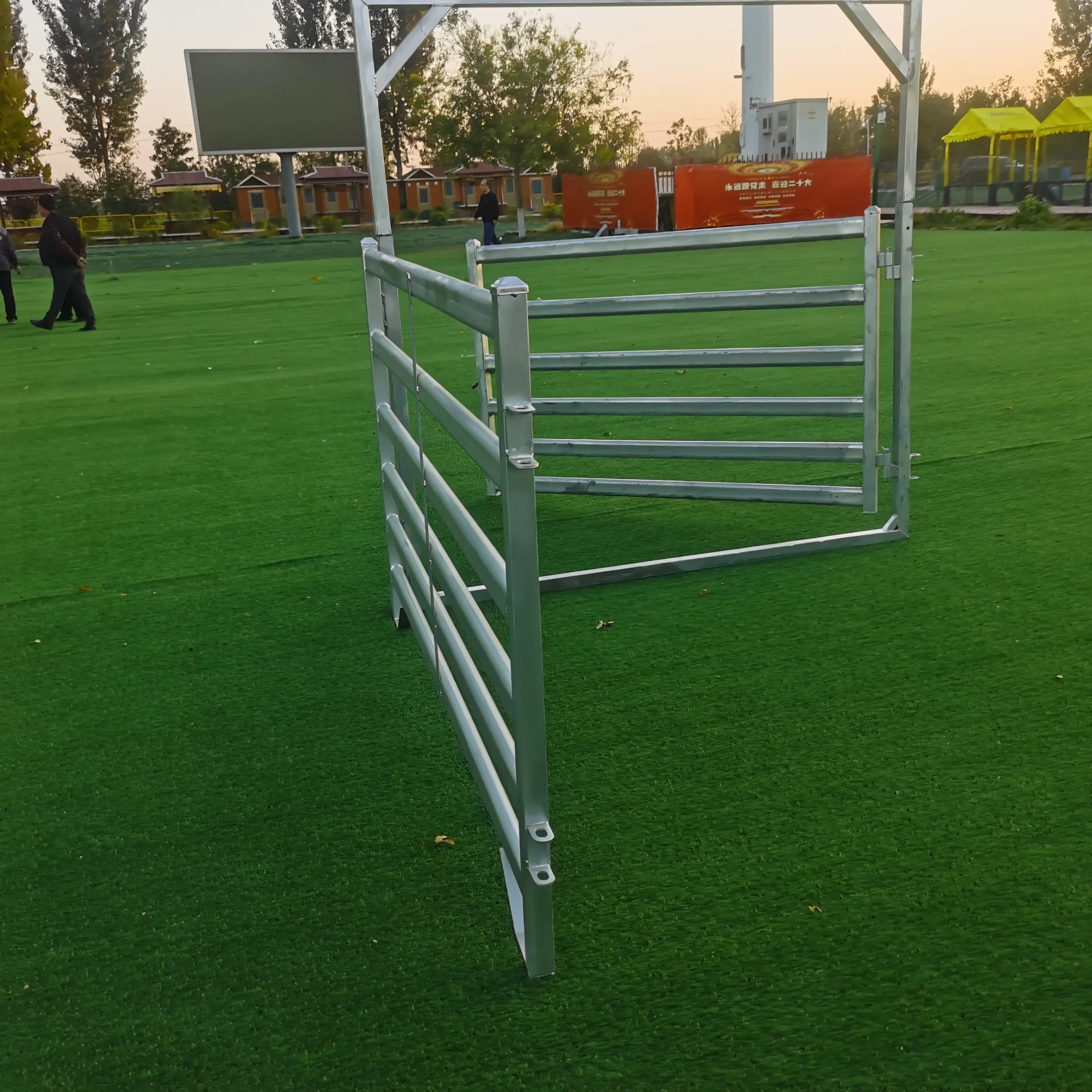
Unpacking the Technical Superiority and Material Science of Premium Panels
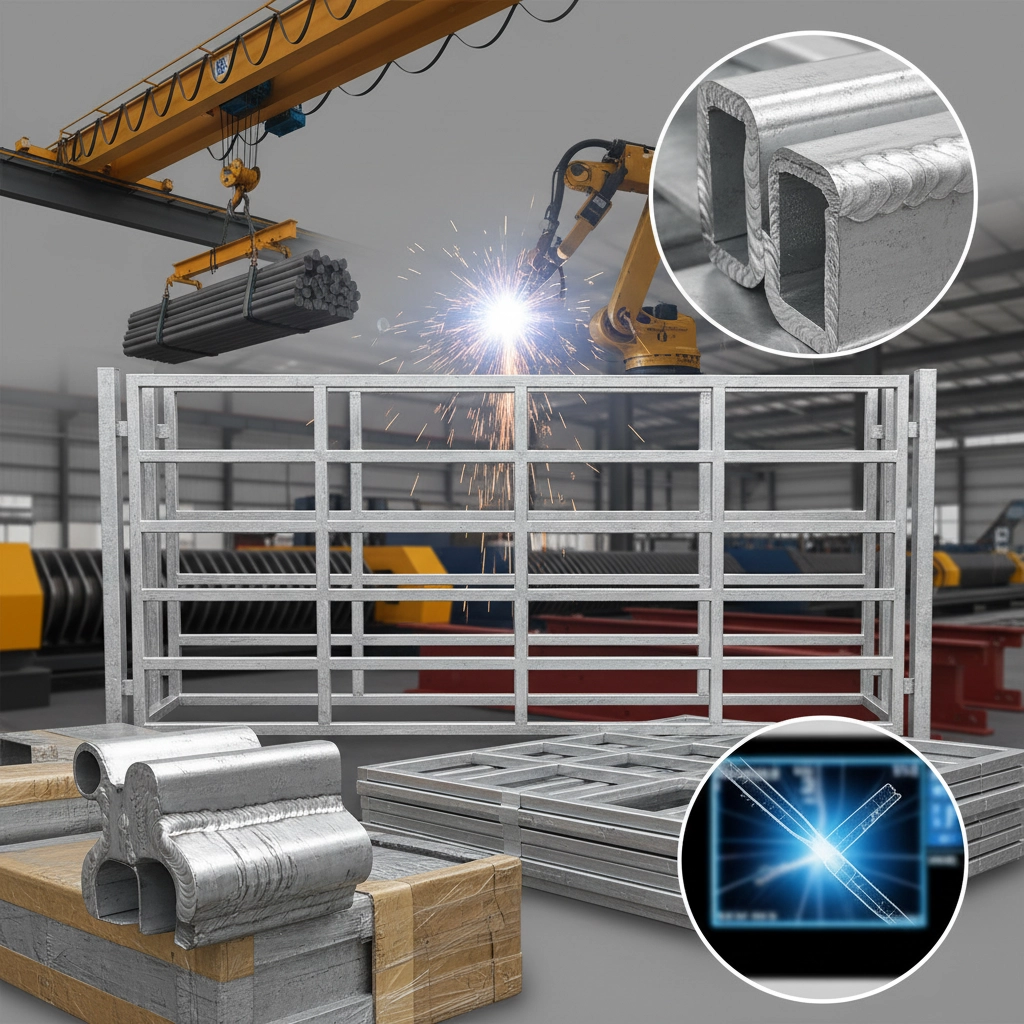
The performance and longevity of a cattle panel are inextricably linked to its underlying material science and advanced engineering. Premium panels distinguish themselves through a meticulous selection of materials and precision manufacturing techniques designed to withstand the harshest agricultural environments. The foundational material is almost universally steel, chosen for its unparalleled strength-to-weight ratio. However, not all steel is created equal. High-tensile steel, often with a minimum yield strength of 50,000 psi (pounds per square inch), is preferred for its superior resistance to bending and deformation under the substantial impact of livestock. The gauge of the wire or tube, typically ranging from 4-gauge (0.225 inches) for heavy-duty applications to 8-gauge (0.162 inches) for lighter uses, directly correlates with the panel's impact resistance and durability. Welding is another critical technical aspect. Automated robotic welding ensures uniform, strong, and consistent joints that can withstand significant shearing forces, often exceeding 1,500 pounds per weld point, preventing the common failure point of weak connections. Post-welding, the most crucial protective measure is galvanization. Hot-dip galvanization, where the fabricated steel is immersed in molten zinc at approximately 840°F (449°C), creates a metallurgically bonded zinc coating that offers superior corrosion resistance compared to electro-galvanization. This process forms a series of zinc-iron alloy layers, providing a self-sacrificing cathodic protection that can extend the panel's life by 20 years or more, even in highly corrosive environments like those found in feedlots with high ammonia levels. The uniform coating thickness, typically ranging from 3.5 to 4.5 mils (89-114 microns), is a hallmark of quality, providing a robust barrier against rust and degradation. Furthermore, the design of the panel, incorporating features like continuous welds, rounded edges, and specific spacing between vertical and horizontal bars, contributes to both structural integrity and animal safety, preventing injuries from sharp edges or entrapment. These technical specifications collectively ensure that a premium cattle panel is not just a barrier but a highly engineered solution built for enduring performance.
The Rigorous Journey: From Raw Material to Robust Cattle Panel
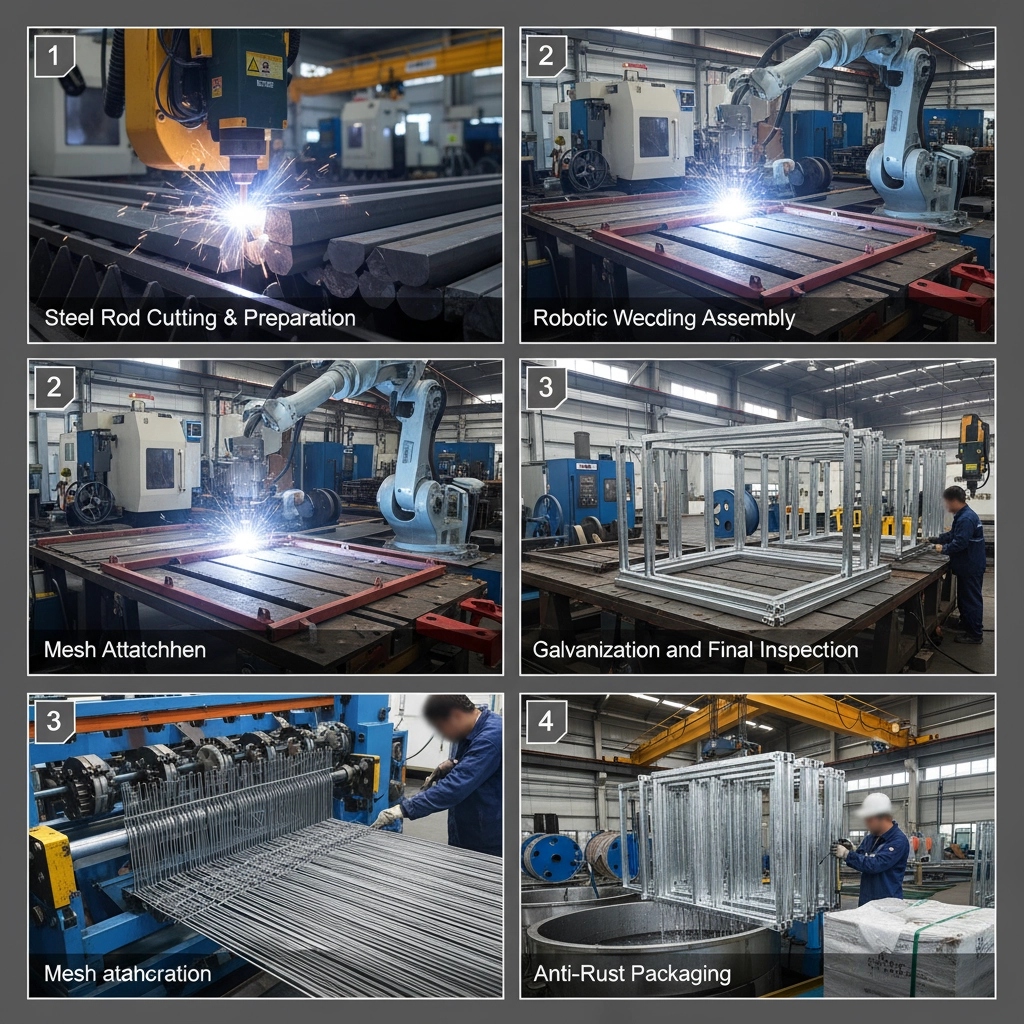
The manufacturing process of a high-quality cattle panel is a sophisticated sequence of steps, each meticulously controlled to ensure a product that meets and exceeds industry standards for strength, durability, and safety. It begins with the careful selection of raw materials, primarily high-grade carbon steel rods or tubing, sourced from reputable mills. These materials undergo stringent quality checks for chemical composition, tensile strength, and freedom from defects. Once approved, the steel is cut to precise lengths using automated shearing machines, ensuring uniformity across thousands of components. The next critical stage is welding. Modern manufacturers employ advanced robotic welding cells that precisely position and fuse the horizontal and vertical steel components. This automation ensures consistent weld penetration, minimizing human error and maximizing the strength of each joint. High-frequency electric resistance welding (ERW) or gas metal arc welding (GMAW) are commonly used techniques, forming strong metallurgical bonds that are often stronger than the base metal itself. After welding, the panels undergo deburring to remove any sharp edges or spatter, enhancing both safety and the subsequent galvanization process. The most vital protective step is hot-dip galvanization. Panels are first thoroughly cleaned through a multi-stage process involving degreasing, pickling in acid to remove rust and scale, and fluxing to prepare the surface for zinc adhesion. They are then submerged in a bath of molten zinc. This creates a durable, corrosion-resistant coating that is metallurgically bonded to the steel, forming multiple layers of zinc-iron alloy and a pure zinc outer layer. The thickness of this coating, a crucial indicator of longevity, is rigorously monitored, with samples often taken and measured using magnetic induction or destructive testing methods. Post-galvanization, panels are inspected for coating uniformity, adherence, and any defects. Finally, the finished panels may undergo further processing such as adding bracing or specific attachment points, before being bundled and prepared for shipment. Throughout this entire journey, quality control checkpoints are strategically placed at every stage, from raw material inspection to final product verification, often adhering to international standards like ISO 9001, guaranteeing that each panel delivers uncompromising performance and a long service life.
Navigating the Market: A Comparative Analysis of Leading Panel Manufacturers
The market for cattle panels offers a diverse array of manufacturers, each with varying strengths, material specifications, and price points. Making an informed decision requires a thorough understanding of what differentiates a superior product from a mediocre one. Key factors to consider include the material gauge, the galvanization method, the warranty offered, and the manufacturer's reputation for consistency and customer support. Some manufacturers prioritize cost-efficiency, often at the expense of material gauge or galvanization quality, while others focus on producing premium, long-lasting products designed for heavy-duty applications. For instance, a panel constructed from 6-gauge wire (0.192 inches) with hot-dip galvanization will inherently offer significantly greater durability and lifespan than an 8-gauge (0.162 inches) panel that is merely electro-galvanized. The warranty is also a telling indicator of a manufacturer's confidence in their product; extended warranties (e.g., 10-20 years) typically signify a higher quality product. Furthermore, evaluating a manufacturer's customization capabilities is crucial for operations with unique requirements, as off-the-shelf solutions may not always be optimal. Below is a comparative table illustrating key differences among hypothetical manufacturers, highlighting the spectrum of options available:
Manufacturer | Primary Material Gauge (Wire) | Galvanization Type | Typical Warranty (Years) | Price Range (per 16ft panel) | Customization Score (1-5, 5=High) | Certifications / Standards |
RobustFencing Co. | 6 GA & 4 GA | Hot-Dip Galvanized (ASTM A123) | 15-20 | $120 - $180 | 5 | ISO 9001, ASTM A123 |
AgriGuard Panels | 8 GA | Electro-Galvanized | 5-10 | $80 - $130 | 3 | Internal QC |
SteelStrong Solutions | 6 GA | Hot-Dip Galvanized (Proprietary) | 10-15 | $100 - $160 | 4 | OSHA Compliant |
Economy Enclosures | 10 GA | Pre-Galvanized | 2-5 | $60 - $100 | 2 | Basic Standards |
This comparison reveals that while lower-priced options might seem appealing initially, they often come with compromises in material strength, corrosion resistance, and overall lifespan, leading to higher long-term replacement and maintenance costs. Investing in a reputable manufacturer known for robust materials and superior galvanization methods ultimately yields better value and greater peace of mind.
Tailored Solutions: Customization and Design Flexibility in Cattle Panel Systems
Modern livestock operations are rarely one-size-fits-all, and neither should their fencing solutions be. The demand for adaptability has driven significant advancements in cattle panel customization and design flexibility, allowing producers to create systems perfectly tailored to their unique needs and challenges. Beyond standard lengths and heights, manufacturers now offer a spectrum of options to optimize functionality and safety. For instance, panel height can vary from 4 feet for smaller animals or lighter containment to 6 feet or more for larger breeds or high-pressure situations, such as bull pens. Lengths are also customizable, with common panels ranging from 8 feet to 20 feet, enabling efficient enclosure construction with fewer connections. Bar spacing is another critical customization point; narrower spacing at the bottom can prevent smaller animals, like calves or sheep, from slipping through, while wider spacing higher up maintains visibility and reduces material weight. Gauge of steel can be specified for different applications, from heavy-duty 4-gauge for feedlot perimeters to lighter 8-gauge for temporary sorting pens. Beyond basic dimensions, specialized coatings can be applied for enhanced chemical resistance in manure-intensive environments or for specific aesthetic requirements. Furthermore, integrated gate solutions are a major aspect of customization. Panels can be manufactured with pre-hung walk-through gates, slide gates, or heavy-duty swing gates, complete with specialized latches and hinges designed for agricultural use. Manufacturers also provide various connection systems, from drop pins and chain connectors for portable systems to weld-on brackets for permanent installations, offering flexibility in assembly and reconfiguration. For operations requiring temporary or portable solutions, lightweight yet strong panel designs with interlocking mechanisms are available, allowing for rapid deployment and takedown. This level of design flexibility ensures that whether a farm needs robust perimeter fencing, sophisticated handling chutes, temporary calving pens, or complex feedlot divisions, there is a customizable cattle panel solution to meet precise operational demands, optimizing both efficiency and animal welfare.
Beyond the Fence Line: Diverse Applications and Real-World Impact
While the name implies a singular purpose, the versatility of the cattle panel extends far beyond the confines of bovine management. Its robust construction and adaptable design have made it an indispensable tool across a myriad of agricultural and even non-agricultural applications, proving its value in diverse real-world scenarios. In livestock operations, high-quality panels are crucial for establishing efficient working facilities such as corrals, sorting pens, and squeeze chutes, significantly improving the safety of both animals and handlers during veterinary procedures, branding, or loading. For instance, a dairy farm in Wisconsin recently implemented a custom-designed system of heavy-duty, 6-foot tall cattle panels for its milking parlor holding pens, reporting a 40% reduction in animal stress and a 15% increase in throughput during peak hours, directly impacting milk production efficiency. Beyond cattle, these panels are widely utilized for containing other livestock. Sheep and goat producers often employ panels with tighter bar spacing to prevent escapes, while hog farmers use them for pen divisions and farrowing crates due to their strength and ease of cleaning. Equestrian facilities frequently incorporate cattle panels into riding arenas for perimeter fencing or temporary stalls during events, valued for their durability and quick assembly. Their utility isn't limited to animal containment; many farmers repurpose them for general farm infrastructure. They serve as robust garden fences to deter wildlife, temporary storage bins for hay or feed, equipment barriers, and even as structural components for small sheds or shelters. A vineyard in California, for example, successfully adapted galvanized cattle panels to create trellises for robust grape varieties, leveraging their strength and corrosion resistance to support heavy fruit loads over many seasons. Another notable application is in disaster relief efforts, where panels can quickly form temporary shelters, animal holding areas, or security perimeters. The ability to easily move, reconfigure, and securely connect these panels makes them an incredibly practical solution for dynamic needs. This wide array of applications underscores that investing in quality cattle panels is not just an investment in livestock management, but in versatile, long-lasting infrastructure that contributes to the overall resilience and adaptability of an agricultural enterprise.
Securing Your Investment: The Enduring Value of Quality Cattle Panel
Choosing the right cattle panel is far more than a simple procurement decision; it is a strategic long-term investment that underpins the safety, efficiency, and ultimate profitability of any livestock operation. The insights presented, from the critical impact of effective containment to the meticulous technical specifications and diverse applications, collectively emphasize that compromising on quality can lead to significant operational disruptions, increased costs, and compromised animal welfare. A premium cattle panel, characterized by high-tensile steel, robust hot-dip galvanization, and precision manufacturing, offers an unparalleled lifespan of 15-20 years or more, drastically reducing the need for frequent replacements and associated labor. This longevity translates directly into substantial cost savings over the operational life of a farm. Beyond durability, superior panels contribute to a safer working environment for handlers by providing reliable containment and minimizing the risk of escapes or injuries during routine tasks. They also ensure animal welfare by reducing stress and preventing injuries from flimsy or poorly constructed barriers. The initial expenditure on high-quality panels, while potentially higher upfront, is quickly amortized through reduced livestock losses, lower maintenance costs, improved labor efficiency, and enhanced herd health. Furthermore, the flexibility offered by custom-designed solutions allows producers to optimize their facilities for specific needs, maximizing productivity and adaptability. Ultimately, an informed decision rooted in understanding material science, manufacturing excellence, and tailored application leads to an infrastructure component that not only performs its primary function flawlessly but also contributes significantly to the sustainable growth and success of the entire agricultural enterprise. Invest wisely in your cattle panel infrastructure to secure a future of efficiency, safety, and enduring value.
Frequently Asked Questions About Cattle Panels
Q1: What is the standard lifespan of a quality cattle panel?
A1: A high-quality, hot-dip galvanized cattle panel made from appropriate gauge steel can last 15-20 years or more under typical conditions, significantly longer than electro-galvanized or pre-galvanized alternatives.
Q2: What gauge wire is best for heavy-duty cattle panels?
A2: For heavy-duty applications, such as feedlots, bull pens, or high-pressure areas, a 4-gauge (approx. 0.225 inches) or 6-gauge (approx. 0.192 inches) wire is recommended for superior strength and impact resistance.
Q3: What are the advantages of hot-dip galvanized panels over electro-galvanized?
A3: Hot-dip galvanization provides a much thicker, metallurgically bonded zinc coating (typically 3.5-4.5 mils) that offers far superior corrosion resistance and longevity compared to the thinner, electro-plated coating (typically 0.2-0.5 mils) of electro-galvanized panels. Hot-dip galvanized panels offer cathodic protection, self-healing minor scratches.
Q4: Can cattle panels be used for other types of livestock?
A4: Absolutely. Cattle panels are highly versatile and are frequently used for sheep, goats, hogs, horses (in specific applications), and even as perimeter fencing for poultry or other small animals, often requiring different bar spacing.
Q5: How do I calculate the number of panels needed for my enclosure?
A5: Measure the total perimeter (in feet) of the desired enclosure and divide it by the length of a single panel (e.g., 16 feet). Always round up to the nearest whole number and consider adding an extra panel for gates or future expansion.
Q6: Are there portable cattle panel options available?
A6: Yes, many manufacturers offer lightweight yet sturdy portable cattle panels, often designed with interlocking pins or chain connectors for quick assembly and disassembly, ideal for temporary pens, sorting, or rotational grazing setups.
Q7: What maintenance is required for cattle panels?
A7: High-quality galvanized cattle panels generally require minimal maintenance. Periodic inspection for damaged welds, bent bars, or rust spots (which are rare on properly galvanized panels) is advisable. Any minor damage should be addressed promptly to maintain structural integrity and extend lifespan.
-
Durable Mini Livestock Panels for Efficient Animal Management In the modern agricultural landscape, the demand for flexible and efficient animal containment has led to the widespread adoption of mini livestock panels. These specialized fencing solutions provide farmers and ranchers with a versatile way to manage small-to-medium sized animals, offering a perfect balance between structural integrity and ease of movement. Whether used for temporary sorting, kidding pens, or rotational grazing, these panels are essential for maintaining herd health and operational efficiency. Globally, the livestock industry is shifting toward precision farming, where the ability to quickly isolate animals for veterinary care or nutritional management is paramount. Read More >26 May, 22
-
Durable Metal Livestock Panels for Modern Farming Systems Effective livestock management relies heavily on the quality of containment systems, and metal livestock panels have emerged as the gold standard for modern farming. These robust barriers are designed to balance security with animal welfare, ensuring that cattle, sheep, and pigs are contained safely while reducing the stress associated with restrictive environments. By integrating high-tensile steel and corrosion-resistant coatings, these panels provide a long-term solution to the perennial challenges of livestock containment. Globally, the shift toward industrialization in agriculture has necessitated a transition from traditional wooden fencing to more durable alternatives. Read More >26 May, 20
-
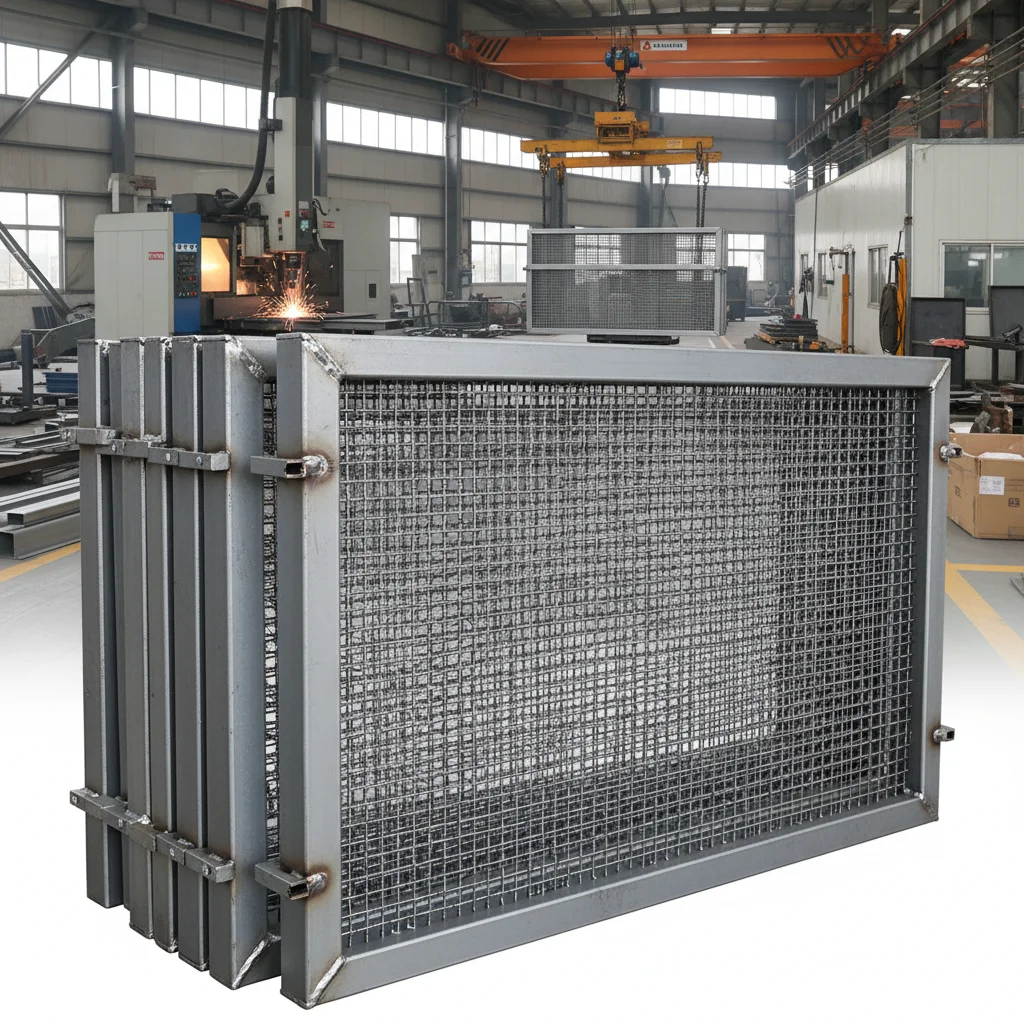
High Quality livestock windbreak panels for Animal Welfare In the demanding environment of modern animal husbandry, protecting livestock from harsh climatic conditions is not just a matter of comfort, but a critical factor in animal welfare and productivity. High-velocity winds can lead to significant heat loss in winter and excessive stress in summer, directly impacting growth rates and immunity. Implementing high-quality livestock windbreak panels provides a strategic barrier that stabilizes the microclimate within enclosures, ensuring that animals remain healthy regardless of external weather fluctuations. Across the globe, from the vast plains of North America to the intensive farming hubs in Europe and Asia, the adoption of engineered windbreaks has become a standard Read More >26 May, 18
-
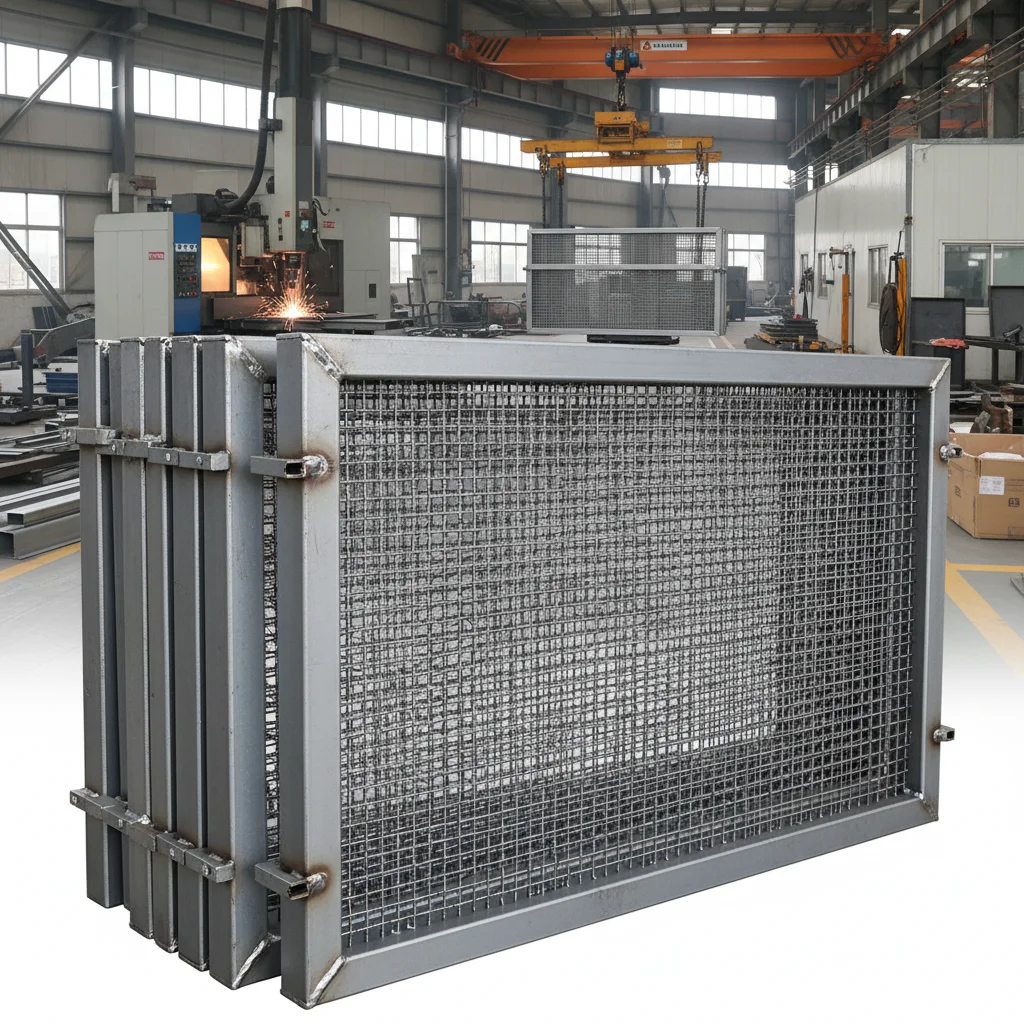
Industrial Grade Livestock Windbreak Panels Industrial Grade Livestock Windbreak Panels Engineered for maximum durability and optimal air filtration, protecting your livestock from extreme weather conditions with precision-woven metal mesh technology. 500k Annual Output sqm 120 Countries Served 7 Days Sample Lead Time 99.9 On-Time Delivery Advanced Wind Protection Engineering Excellence Setting the gold standard in livestock shelter ventilation and wind mitigation systems. As a pioneer in metal wire mesh manufacturing, our livestock windbreak panels occupy a leading position in the global agricultural sector. We combine high-tensile galvanized steel with precision weaving to ensure that every panel provides unmatched structural stability. Read More >26 May, 15
If you are interested in our products, you can choose to leave your information here, and we will be in touch with you shortly.


